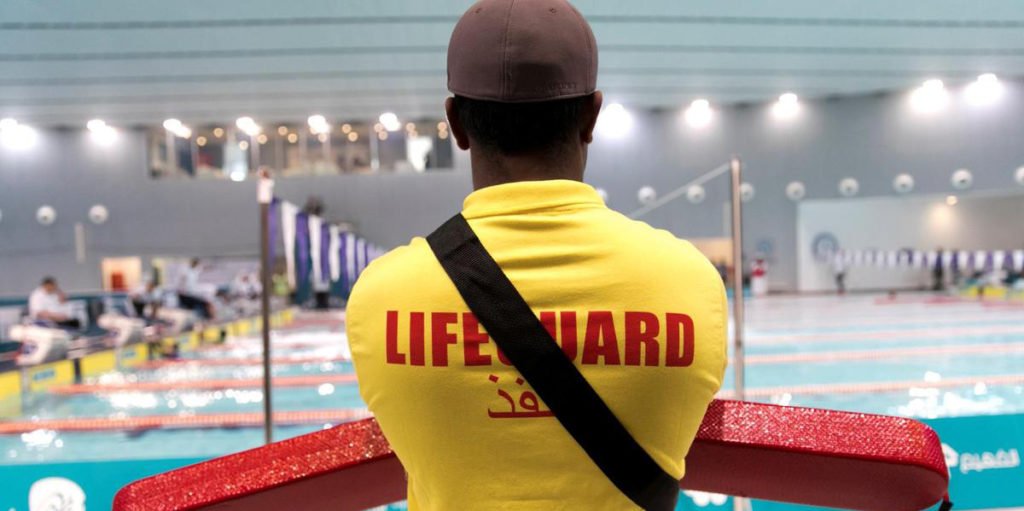
Lifeguard services are essential for ensuring the safety of individuals in aquatic environments such as pools, beaches, and water parks. Lifeguards are trained professionals responsible for preventing and responding to aquatic emergencies, including drowning and injuries. These services typically include:
Surveillance
Lifeguards continuously monitor the water and surrounding areas to identify potential hazards and respond quickly to emergencies.
Preventative Measures
Lifeguards enforce safety rules and regulations, such as ensuring proper use of flotation devices and prohibiting diving in shallow water.
Rescue Operations
Lifeguards are trained in rescue techniques, including water rescues, CPR, and first aid. They are responsible for rescuing individuals in distress and providing immediate medical attention when necessary.
Emergency Response
In the event of an emergency, lifeguards coordinate with emergency services, such as calling for medical assistance or performing emergency medical procedures until help arrives.
Public Education
Lifeguards often provide information to the public about water safety practices, including the dangers of swimming in certain conditions and the importance of supervision for children. Overall, lifeguard services play a crucial role in maintaining a safe environment for individuals to enjoy aquatic activities.